
Friday, January 30, 2026
.
1M+
.
website counter widget
.
.
More
    -12.4 C
    Chicago
    Friday, January 30, 2026
    1M+ Views
    ...
    website counter
    ...
    ...
    More
      Home Blog Page 171

      Postdoc recruitment 2024, SUSTech Proteomics Research Group

      Employer SUSTech

      Location Shenzhen, Guangdong (CN)

      Salary Base annual salary of 390,000 RMB, including 210,000 RMB of living allowance in Guangdong & Shenzhen

      Closing date 10 May 2024

      Professor Ruijun Tian’s team at Southern University of Science and Technology (SUSTech), Shenzhen, China has research interest on innovative proteomics technology development for mass spectrometry-based proteomics and their biomedical application for studying intercellular signalling network in tumor microenvironment. The team is a member of the National Key Laboratory of Medical Proteomics and the leading team of the Shenzhen Key Laboratory of Functional Proteomics. The laboratory has a fully functional proteomic research platform, including several high-end mass spectrometers (Exploris 480, timsTOF Pro, etc.), high-performance servers, and cell biology-, biochemistry-, molecular biology-related equipment. In addition, the team is running a joint clinical proteomics laboratory at oncology department of Shenzhen Renming Hospital (the biggest hospital of the city). Our vigorous research team consists of more than 30 doctors, graduate students, and research assistants in a creative academic atmosphere. More information about the team can be found on the Lab’s website at https://faculty.sustech.edu.cn/tianrj/.

      With our recent progress on spatial proteomics and proximity labelling technologies, we are systematically exploring spatiotemporally regulated intercellular signalling network directly from clinical samples and living systems. By collaborating with leading biotech and IVD companies, these research efforts lead to new drug target and biomarker discovery in a systematic manner. To maintain these research efforts, we are now looking for 2-3 postdoctoral fellows or research assistant professors. The specific requirements for applicants are as follows:

      Direction 1: Mass spectrometry-based proteomics

      Requirements: 1. Ph.D. degree, with professional background in analytical chemistry, biochemistry, and other related majors; and with at least one publication on high-level scientific journals; 2. Well-trained in biological mass spectrometry technology, with years of experience in proteomics or metabolomics research is preferred.

      Direction 2: AI-driven bioinformatics analysis and imaging data analysis

      Requirements: 1. Ph.D. degree, with bioinformatics, computer science, statistics, and other related research experience; 2. Knowledge of more than one programming language (e.g. R, etc.); Proteomics or genomics data analysis is preferred.

      Direction 3: Cancer cell signal transduction and precision medicine

      Requirements: 1. Ph.D. degree, with professional background in biochemistry, cell biology, cancer immunology, etc., published at least one high-level research paper; 2. Well-trained in biomedical related experimental techniques, including but not limited to: flow cytometry, primary cell culture, molecular cloning, immunohistochemistry, routine animal experiments, recombinant protein expression and purification.

      Benefit:

      1. The base annual salary of 390,000 RMB, including 150,000 RMB of living allowance in Guangdong Province and 60,000 RMB of living allowance in Shenzhen is provided. Employees are also eligible for social insurance and housing provident fund. The postdoctoral welfare fee shall be paid according to the standard of the faculty and staff of the university.

      2. Particularly outstanding candidates can apply for the President’s Outstanding Postdoctoral Fellowship, with an annual salary of up to 415,000 RMB. (including living allowance in Guangdong Province and Shenzhen City).

      3. After completing the basic workload of the relevant postdoctoral level, you are eligible for the scientific research achievement award.

      4. Postdoctoral fellows who choose to stay in Shenzhen to engage in scientific research and sign a labor (employment) contract with enterprises and institutions in Shenzhen for more than 3 years can apply for Shenzhen postdoctoral research funding. The Shenzhen Municipal Government will provide 300,000 RMB per person for scientific research start-up funding. Those who meet the criteria for the recognition of high-level talents in Shenzhen can apply for talent subsidies (for details, please refer to the relevant policy documents on the official website of the Shenzhen Municipal Human Resources and Social Security Bureau);

      5. For outstanding outbound postdoctoral fellows, we will actively recommend applicants to apply for research assistant professors of SUSTech and the First Affiliated Hospital of SUSTech.

      If you are interested, please send (1) your resume (including study and work experience, summary of main research work, published articles, etc.) and (2) the contact information of two referees to: rjtian@qq.com or tianrj@sustech.edu.cn. Please specify the inclined direction and the expected arrival time in the letter.

      Job Advertisement of Cancer Cell Signalling Lab in Zhejiang Chinese Medical University

      Employer Zhejiang Chinese Medical University

      Location Hangzhou, Zhejiang (CN)

      Salary Competitive salary, discussed on a case-by-case basis.

      Closing date 2 May 2024

      Post Title: Lab manager (LM), postdoc (PD) and PhD positions in Cancer Cell Signalling lab (Georgios Giamas Lab)

      Employer: Zhejiang Chinese Medical University (ZCMU)

      Location: Hangzhou, Zhejiang, China

      Treatment & Salary: All enter the post system. Benefits such as five social insurance and one housing fund, and competitive bonus determined by the level of experience and skill set of the applicants.

      Closing date: 05/05/2024

      Expected start date: July/August 2024

      Essential criteria for Lab manager (LM) / postdoc (PD) and PhD (PhD) posts:

      • Excellent written/spoken knowledge of English and Chinese languages (LM, PD and PhD).
      • PhD in biochemistry, molecular/cellular biology or equivalent (LM and PD).
      • A minimum of one first author publication in a reputable journal (PD).
      • Advanced skills in biochemistry, molecular/cellular and cancer biology techniques (LM and PD).
      • Commitment to work in a highly competitive field (LM, PD and PhD).
      • A demonstrated ability to write scientific papers/grants and prepare high-quality figures.
      • Ability to independently drive a research project and analyse data (PD).
      • Ability to work individually on own initiative and without close supervision, and as part of a team (LM PD and PhD).
      • Excellent organizational and oral/written communication skills (LM, PD and PhD).
      • Ability to prioritize and meet deadlines (LM, PD and PhD).
      • Excellent presentation and IT skills (LM, PD and PhD).
      • Keeping accurate and complete records of lab work (LM, PD and PhD).
      • Honesty, motivation, demonstrable independence, commitment and a strong work ethic (LM, PD and PhD).

      Various research positions (including 1x lab manager, 1x postdoctoral and 2x PhD positions) are available in a newly established translational cancer research laboratory LED BY Professor Georgios Giamas at ZCMU (Binwen Campus), FROM JULY 2024. We are an active, vibrant research group and provide a stimulating and supportive research environment. We are committed to research excellence and to nurturing scientific careers amongst our trainees and junior faculty.

      Available research projects include, but are not limited to:

      • Identification of novel druggable targets within the breast and brain tumour microenvironments’;
      • Identification of solid tumours biomarkers in extracellular vesicles-based liquid biopsies’;
      • Elucidation of the signalling pathways that LMTK3 is implicated in, in cancer and other disease/disorders’.

      Our work combines a variety of in vitroin vivo models and patients’ specimens to study relevant pathways in cancer. An overview of research within the Giamas lab can be found at: http://www.sussex.ac.uk/lifesci/giamaslab/

      Please contact Prof. Georgios Giamas (georgios.giamas@gmail.com) for informal enquiries.

      Formal applications should be accompanied by a full CV and the names of three academic referees. Please send these materials to Prof. Georgios Giamas (georgios.giamas@gmail.com) and CC email to Dr. Zhendong Liu (zjszyyzzrsb@163.com). Tel: +86-571-87071816

      Introduction of ZCMU and High-level talents Recruitment

      Zhejiang Chinese Medical University (ZCMU) is a modern university located near the south bank of Qiantang River, in the city of Hangzhou, a world-famous tourist destination known for its beautiful scenery and rich cultural heritage. ZCMU is a key university in Zhejiang Province, P. R. China, jointly established by the People’s Government of Zhejiang Province, the National Administration of Traditional Chinese Medicine (TCM), and the Ministry of Education of the People’s Republic of China.

      The university now has two campuses covering with the total area exceeding 470,000 square meters. ZCMU enrolls over 22,000 full-time students, including over 5,200 doctoral and master degree students, and over 800 international students. ZCMU is among the first batch of universities in China to recruit and cultivate postgraduates of TCM, and takes the lead among Zhejiang provincial universities eligible of awarding doctoral degrees and establishing post-doctoral research stations. Now, ZCMU is a teaching and research-oriented university with TCM and Chinese Materia Medica as its leading subjects, combined with contemporary life science subjects. ZCMU is presently comprised of 18 schools and has 4 directly affiliated hospitals. Moreover, there are additional 21 Hospitals located in different cities of Zhejiang Province indirectly affiliated with ZCMU. 

      ZCMU is a national demonstration base for cultivating innovative talents. It has independently cultivated a number of high-level talents, including Members of Chinese Academy of Engineering, National Masters of TCM, National “Ten Thousand Talent Program” Leading Talents, Chief Scientist of the 973 Program, and National Famous Doctors of TCM etc. Currently, ZCMU employs 1,300 faculty and staff, and among them, over 330 with senior professional titles, including Members of the Academia Europaea, Distinguished Professors holding the title of “the Cheung Kong Scholar” awarded by the Ministry of Education of P.R.C, recipients of National Natural Science Funds for Distinguished Young Scholar and of National Science Foundation for Excellent Young Scholar Awards, etc.

      ZCMU promotes established and new disciplines with emphasis on scientific technology innovation. ZCMU was within the first batch of Zhejiang provincial universities that have been awarded national key discipline. Traditional Chinese Medicine and Chinese Materia Medica are among the second batch of characteristic and preponderant key disciplines of Zhejiang Province. It has 3 A-class and 6 B-class discipline construction programs of Zhejiang “13th Five-Year-Plan”. It has 2 national clinical research bases of TCM and a number of science and innovation platforms. The Research Fields of ZCMU, including Clinical Medicine, Pharmacology and Toxicology, and Biology and Biochemistry, rank at the top 1% of global ranking based on Essential Science Indicators.

      In the new era, ZCMU has been and will continue to adhere to the motto of “Seek the Origin at High Aspiration”, and the philosophy of “Student-centered, Academics-prioritized”, and commits to building a first-class TCM university characterized by cultural inheritance and innovation.ZCMU is now recruiting high-level talents worldwide to lead scientific technology innovation. The research fields are listed, but not limited to: basic medicine, clinical medicine, life sciences, pharmacy, bioinformatics, biomedical engineering, nanomedicine, chemistry, nursing and public health. The following research areas are of particular interest: neuroscience, immunity, cancer translational research, osteology, nephrology, pharmacology, public health and traditional medicine.

      ZCMU fosters a rigorous academic atmosphere and institutional environment. ZCMU provides excellent academic research conditions for you to achieve your professional goals and competitive career development conditions.

      (1) Help to establish innovative research teams; and foster PhD student and postdoctoral fellow enrollment;  

      (2) Provide competitive research funding and opportunities to collaborate with other laboratories with the ZCMU and with the ZCMU Affiliated Hospitals; Provide administrative supporting applications for national, provincial, and ministerial scientific research projects. We strive to provide for a supportive, international and multidisciplinary research environment;

      (3) Flexible work hours are provided to support family life and priority is given to arranging for children to enroll in child –care, primary schools, junior middle schools and universities;

      (4) The annual salary system is implemented and the comprehensive annual salary exceeds 700,000 RMB per year for high-level talents; income can be discussed on a case-by-case basis.

      (5) Health insurance and housing support are also provided; ZCMU Affiliated Hospitals also provide high-quality medical care and occupational health management;

      Application: recruitment is available all year round. Applicants should send detailed resumes (including educational work experience, scientific research and management performance, etc.) to the designated email address (talents@zcmu.edu.cn) for initial evaluation.

      CONTACT INFORMATION

      Address: No. 548 Binwen Road, Binjiang District, Hangzhou City, Zhejiang Province, China

      Tel: Dr. Wang (+86)571 8660 3313 (Human Resource Department)

      Tel: Dr. Wu (+86)571 8663 3125 (Talent Office)

      Email: talents@zcmu.edu.cn

      Postdoctoral Research Fellows – Glial Biology in Health and Disease

      Employer Zhejiang Chinese Medical University

      Location Hangzhou, Zhejiang (CN)

      Salary 300,000 CNY annually.

      Closing date 10 May 2024

      Postdoctoral Research Fellows – Glial Biology in Health and Disease

      Zhejiang Chinese Medical University

      Location         Hangzhou, Zhejiang, China

      Salary             300,000 CNY annually. Competitive bonus determined by the level of experience, skill set and progress of the applicants.

      Benefits          Medical (health and dental) insurance, campus food allowance and subsidized campus lodging.

      Closing date  July 31, 2024

      Discipline       Multidisciplinary, with emphasis on Neuroscience

      Job Type        Postdoctoral

      Employment Full time

      Duration        3 years

      Qualification  MD and/or PhD

      Sector             Academia

      Introduction.

      International Translational Neuroscience Research Institute (ITNRI) at Zhejiang Chinese Medical University (ZCMU) is currently seeking outstanding young scientists to join us as Postdoctoral Research Fellows. Successful candidates will be recent PhD/MD graduates. If you have high levels of energy and curiosity to make fundamental discoveries in understanding glia and glial-neuronal signaling in health and disease, if you are adventures and want to explore new cultures and parts of the world, and/or if you are pursuing independent careers in academic research – ITNRI is the right place for you.

      Why consider us?

      ITNRI is directed by Vladimir Parpura, MD, PhD, MAE, who has been ranked number 2 in the world in astrocyte expertise since 2021. ITNRI is a newly established, state-of-the art equipped and well-funded institute. Research approaches in the Institute are ranging from single-molecule interactions to live animal imaging and include nanoscience/nanotechnology, omics, synthetic biology, biomedical engineering, computational neuroscience, neurochemistry, physical chemistry, cell and molecular biology, microscopy (e.g., total internal reflection fluorescence, confocal, Raman, etc.), electrophysiology along with translational pre-clinical animal models of human brain cancer and neurodegenerative diseases. Projects in the institute are focused on all aspects of physiology and pathophysiology of neuroglia as pertained to the tripartite synapse. In particular, we are interested in understanding gliotransmission in healthy and malignant human astrocytes. Molecular bases of this process can pave the road to novel therapeutics in clinical settings. Please see some additional information on the director in following links:

      https://scholar.google.com/citations?hl=en&user=ekvKLtMAAAAJ

      https://www.ae-info.org/ae/Member/Parpura_Vladimir

      https://www.sazu.si/en/members/vladimir-parpura

      ZCMU is a modern and vibrant university in the city of Hangzhou, the capital of Zhejiang Province, P. R. China. ZCMU, a key university in the Province, has two campuses with 18 schools and 4 directly affiliated hospitals covering over 470,000 square meter; it is the leading provincial teaching- and research-oriented university. It enrolls over 22,000 full-time students, including over 5,200 doctoral and master degree students, and over 800 international students. ZCMU houses research and animal facilities with the state-of-the-art equipment that are readily available to a variety of principle investigators in basic and clinical medicine, life sciences, neuroscience, pharmacy, bioinformatics, biomedical engineering, nanomedicine, chemistry, nursing and public health. Neuroscience, cancer translational research, immunology, pharmacology, public health and traditional Chinese medicine are research areas of particular interest to ZCMU.

      The city of Hangzhou, located ~ 180 km south-west of Shanghai to which is connected by fast-speed train and modern highway, is a famous tourist destination known for its beautiful scenery and rich cultural heritage. Hangzhou has been one of China’s most renowned and prosperous cities for much of the last millennium. Its West Lake, a UNESCO World Heritage Site, celebrated by poets and artists since the 9th century, encompasses islands, temples, pavilions, gardens and arched bridges. Hangzhou has been a famed producer of silk for centuries and is renowned for Longjing tea, which is considered to be among the finest in China. Tea culture and tea plantations are important features of the city. While rich in history, culture and art, Hangzhou is very modern and wealthy Asian city that hosted, e.g., G20 in 2016 and Asian Games in 2023. It is a major economic, technology, health industry, and e-commerce hub within the south-east Asia. It is the home to the headquarters of large global technology companies such as the Alibaba GroupAnt Group, Supor, Leepmotor and NetEase. Ease of living and generous resources available makes Hangzhou attractive for professionals and entrepreneurs who work in technology and science.

      Qualifications: Minimum Qualifications

      • MD or PhD in basic science, health Science, physics, chemistry, biomedical engineering or related fields.
      • excellent communication in English and interpersonal skills are mandatory
      • prior first author publications are necessary
      • must be self-motivated, well-organized, detail-oriented, highly independent, but also able to collaborate effectively and willing to train new students.

      Preferred Qualifications MD and/or PhD degree(s) conferred within the last 3 years. Experience/Skills: strong background in neuroscience and prior experience with glial biology, and/or brain cancer cell biology would be an asset physicists and engineers wanting to explore biological applications are more than welcome to apply previous training in biochemistry, cell and molecular biology, imaging, electrophysiology, and possessing exceptional computational skills experience with large-scale data would also be advantageous strong understanding of molecular genetics and animal models familiarity with neurodegenerative disease biology and mouse models of these disorders   

      Additional Information.

      The appointment is for the initial term of one year, with the expectation of continued support based on successful progress up to 3 years, at which point the position may be extended or converted to a faculty position. The start date is flexible, and applications will be reviewed on a rolling basis until the positions are filled.

      Application Documents.

      CV including contact information for 3 references.

      How to apply?

      To apply, please send your cover letter with a statement of future research plans, accompanied with your CV, including the complete list of publications, and the names and email addresses of three references to Prof. Parpura: vlad.parpura@gmail.com or vlad@zcmu.edu.cn

      Position Recruitment of Guangzhou Medical University

      Employer: Guangzhou Medical University Location: Guangzhou, Guangdong, China

      Salary: Very competitive salary with funds

      Closing date: June 22, 2024

      Job Details

      1. About GMU

      Founded in 1958, Guangzhou Medical University (GMU) is a higher education institution with a focus on medical education and research. GMU offers a full range of programmes at undergraduate and postgraduate levels. GMU was included on the List of Double First-Class Initiative in 2022.

      Outstanding Faculties: The university boasts a prestigious faculty team led by Academician Zhong Nanshan, a recipient of the “Medal of the Republic.” The faculty includes members of the Chinese Academy of Sciences and the Chinese Academy of Engineering, Fellows of the Royal Irish Academy, Cheung Kong (Changjiang) Scholars, recipients of the National Natural Science Fund for Distinguished Young Scholars, selected candidates of National Hundred and Thousand and Ten-Thousand Talent Project, recipients of national famous teacher award, national experts with outstanding contribution, and State Council Special Allowance experts.

      Top-Notch Academic Disciplines: GMU’s clinical medicine programme has been enlisted in the Double First-Class Initiative. Ten disciplines (Clinical Medicine, Pharmacology & Toxicology, Molecular Biology & Genetics, Biology & Biochemistry, Immunology, Neuroscience & Behavior, Microbiology, Psychiatry & Psychology, Materials Science, and Chemistry) are among the top 1% of ESI global rankings, with clinical medicine being in the top 1. GMU owns 24 national key specialties and 94 provincial key specialties in clinical medicine (traditional Chinese medicine). Among them, respiratory medicine ranks first, allergy ranks third, pediatric surgery ranks fourth, thoracic surgery ranks fifth, pediatric internal medicine ranks sixth, and psychiatry ranks sixth in China.

      Cutting-edge Platforms: The university comprises 25 teaching faculties, 27 research institutions, and 14 affiliated hospitals. GMU boasts one national medical centre, one national clinical medicine research center, one state key laboratory, 12 provincial/ministerial key laboratories, 5 provincial/ministerial research centres for engineering technology (engineering labs), one provincial/ministerial collaborative innovation centre, one national university science park cultivation base, and 32 municipal key laboratories. GMU has established the Sino-French Hoffmann Institute with Professor Jules Hoffmann, a French Nobel laureate. The university has a total research area of 50,000 square meters, including 10,000 square meters for shared research platforms equipped with advanced medical and life science experimental instruments valued at RMB 600 million. It also possesses abundant animal experimental facilities, with over 50,000 cages available.

      2. Positions and Qualifications

      • Nanshan Scholars—Top Talents
        • Academicians in the fields of medicine, biology, and pharmacy.
        • Internationally recognized top scientists.
      • Nanshan Scholars—Distinguished Talents
        • under the age of 55
        • Possess a doctoral degree and outstanding contributions in related fields, with the ability to lead the discipline to reach the international advanced level.
      • Nanshan Scholars—Excellent Talents
        • under the age of 42
        • Possess a doctoral degree and substantial research achievements with significant impact in the related fields, with the ability to lead the discipline to a leading position in China.
      • Nanshan Scholars—Key Talents
        • under the age of 40
        • Possess a doctoral degree with outstanding academic performance, with great potential for becoming an independent principal investigators (PI) and excellent academic innovation capabilities.

      3. Salary and Benefits

      • Competitive annual salary ranging from RMB 600,000 to 1.2 million.
      • A relocation and housing allowance of RMB 1.5–3 million, in addition to other government supports.
      • Generous research start-up funds: Natural Sciences: RMB 3–8 million; Integrated Basic Medicine and Clinical Practice: RMB 1.5–4 million.
      • Serve as supervisors for master students, providing access to excellent postgraduate resources as well as office and research spaces.
      • Housing subsidies, social insurance, housing accumulation fund, medical insurance and quality health care, as well as other related benefits.

      4. Contact: Please send your application including CV and Cover letter to nsxz@gzhmu.edu.cn

      Global Talent Gathering for Innovation | Changping Laboratory Recruiting Overseas High-Level Talents

      I. About Us

      Founded in October 2020, Changping Laboratory (CPL) is one of China’s new type of R&D (Research & Development) institutions, located in Zhongguancun Life Science Park, Beijing. As an integral component of the national science and technology strategy, CPL concentrates on life sciences, addressing the major needs of the country. Focusing on areas such as genomic medicine, immune diagnosis and treatment, advanced imaging and intervention, CPL conducts upstream cutting-edge technology research and development in mechanism exploration, screening diagnosis, and intervention treatment, aiming to build a world-class innovation hub in life sciences. We now sincerely invite global talents to join us!

      II. Recruitment Targets

      (1) Leading Scientists: Possessing a Ph.D. degree, holding positions equivalent to associate professor or above in well-known overseas universities or research institutions, or holding senior positions in internationally renowned enterprises. They should have achieved significant international influence in their professional fields, possess leadership capabilities, and have the potential to break through major scientific frontiers.

      (2) Young Scientists: Holding a Ph.D. degree, aged not exceeding 40 years old (born after January 1, 1984), having worked continuously for more than 3 years in formal positions in well-known overseas universities, research institutions, or corporate research institutions, and having achieved a certain level of influence in their professional fields with the potential for independent development. Candidates who have obtained their Ph.D. degree overseas may have the work experience requirement appropriately relaxed.

      Nationality is not limited for applicants, but they should not have been employed full-time in China before applying, or returned to China after January 1, 2023. Once hired, they are required to resign from their overseas positions and work full-time in CPL for no less than 3 years. Particularly outstanding individuals may have their academic qualifications, age, years of work experience, and other conditions relaxed appropriately.

      III. Required Disciplines

      Biochemistry and Molecular Biology, Immunology, Cell Biology, Genetics, Genomics, Neurobiology, Biomedical Engineering, Developmental Biology, Radiology, Clinical Medicine, Computer Science and Technology, Bioinformatics, Organic Chemistry, Imaging Medicine and Nuclear Medicine, Physics, Pharmacology, Virology, etc.

      V. Resource Support

      To enable scientists to devote themselves to scientific research, we will provide comprehensive, full-chain, and professional research support and talent services, including but not limited to:

      (1) Research Support

      1. Funding Support: Leading Scientists will be provided with initial research funding of no less than 15-25 million RMB for the first 5 yearsYoung Scientists will be provided with initial research funding of no less than 7.5-10 million RMB for the first 5 years.

      Providing sufficient and stable funding support. Additional funding will be provided as needed for tasks. In addition, recipients of high-level scholars projects can receive national research funding support of up to 3 million RMB.

      2. Team Support: Assisting in building research teams and recruiting talents. Supporting joint training of Ph.D. student with top domestic universities and recruitment of postdoctoral researchers.

      3. Research Conditions: Providing sufficient office and laboratory space for research, and equipping world-class experimental facilities and technical platforms.

      4. Professional Services: providing support from professional technical and management teams, providing full-chain services from fundamental research to technology transfer.

      (2) Career Development

      1. Development Path: Setting clear Scientists career development paths in accordance with international standards, conducting talent evaluation based on contributions and abilities, and allowing exceptional promotions for those who achieve significant impact or practical research results.

      2. High-end Platforms: Providing platforms for leading national major research tasks based on individual research expertise. Supporting outstanding young talents to independently lead key projects and play major roles in collaborative research. Facilitate rapid talent development and cultivate cutting-edge talents.

      3. Project Support: The laboratory has autonomous review rights and recommendation channels for national and Beijing municipal high-level scholar projects, providing strong full-chain support and services for scientists’ development after returning to China.

       (3)  Compensation and Benefits

      1. Competitive Salary: Offering internationally competitive salaries, which can be further negotiated for particularly outstanding individuals.

      2. Technology Transfer Incentives: Implementing result-oriented incentive distribution mechanisms based on actual contributions.

      3. Welfare Benefits: Providing social insurance, housing provident fund, pension, and additional benefits such as accident insurance, critical illness allowance fund, supplementary medical insurance, children’s medical insurance, and high-standard annual health examination.

      4. Housing: Providing conveniently-located and well-equipped talent apartments.

      5. Supporting Services: Assisting eligible individuals in applying for Beijing household registration in accordance with relevant policies, and addressing needs such as children’s education, spouse employment, and work permits for foreign talents.

      About Changping Laboratory

      As an integral component of our national science and technology strategy, Changping Laboratory has always upheld the spirit of “leading, seeking truth, taking responsibility, and dedication”. In the past three years since its establishment, CPL has achieved a series of significant innovative results. At the same time, CPL has always adhered to the people-oriented principle, striving to create a research environment that respects talents, encourages innovation, and is inclusive and open, providing a broad stage for scientists to display their talents. We sincerely invite global talents to join us in writing a new chapter in the field of life sciences in the new era!

       (I) High-Quality Scientific Research Achievements

      Currently, “technology-driven” has become an important development paradigm in the global biomedical field, and disruptive technologies have brought about significant transformations in the field of life sciences.  CPL adheres to technology-driven innovation, develops leading-edge underlying technologies, organizes superior scientific and technological forces to conduct joint research, and accelerates the transfer of major research achievements. Many achievements have been transferred to well-known domestic and foreign enterprises.

      Examples of some achievements:

      1. Conducting SARS-CoV-2 Omicron subvariant immune-evasion characterization, RBD evolution pattern prediction, and broad-spectrum neutralizing antibody drug development. Related results have been reported by more than 200 foreign media;

      Resume Submission

      Interested candidates should submit their application materials to cplhr01@cpl.ac.cn before May 10, 2024. Please download the application materials checklist. Please indicate “Name + Overseas Talent Application” in the email subject. For any inquiries, feel free to contact us at cplhr01@cpl.ac.cn or click the link https://application.cpl.ac.cn to fill in the “Changping Laboratory Recruitment Basic Information Form”, and we will contact you promptly.  You can also contact Ms. Shao Huanhuan via +86 18516968238 (same number as WeChat).

      For applicants who meet the requirements for applying for relevant high-level scholar projects in 2024, we will assist in preparing application materials and provide comprehensive consulting services.

      Application Materials Checklist.docx

      Career Link:

      https://www.cpl.ac.cn/en/News/4028c1f18e344073018e35ba18f80006.html

      14 POSTDOC AND RESEARCH POSITIONS 2024, CHECK DEADLINE WITH POSITIONS, GRAB OPPORTUNITIES

      14 POSTDOC AND RESEARCH POSITIONS 2024, CHECK DEADLINE WITH POSITIONS, GRAB OPPORTUNITIES

      Marine Carbon Dioxide Removal (MCDR) via the Addition of Mineral-alkalized Sea Water (MASW)

      Department: 

      College of Earth, Ocean, and Atmospheric Sciences

      Location: 

      Corvallis, OR

      Appointment: 

      100%

      Basis: 

      12-months

      Start date: 

      June 1, 2024

      Notes on start date: 

      or as negotiated

      Notes on end date: 

      2 years assuming satisfactory progress

      Full consideration date: 

      May 15, 2024

      Notes on full consideration date: 

      or until filled

      Full announcement: 

      PDF icon spitz_mcdr_postdoc.pdf

      Link: https://gradschool.oregonstate.edu/postdocs/open-positions/19001-marine-carbon-dioxide-removal-mcdr-addition-mineral-alkalized-sea


        Postdoctoral Research Associate in Molecular Biophysics
      Department of Biochemistry, South Parks Road, Oxford
      Pay Scale: STANDARD GRADE 7  Salary (£): £36,024 – £44,263 per annum Location: Department of Biochemistry, South Parks Road, Oxford Contract type: Fixed Term Contract for up to 3 years in the first instance Hours: Full Time (37.5 hours per week) 

      Link: https://my.corehr.com/pls/uoxrecruit/erq_jobspec_version_4.display_form?p_company=10&p_internal_external=E&p_display_in_irish=N&p_process_type=&p_applicant_no=&p_form_profile_detail=&p_display_apply_ind=Y&p_refresh_search=Y&p_recruitment_id=171858


        Senior Postdoctoral Scientist – Tumour immunology
      Oxford Ludwig Institute for Cancer Research, Old Road Campus Research Building, Roosevelt Drive, Headington, Oxford, OX3 7DQ
      The Van den Eynde group at the Oxford Ludwig Institute for Cancer Research, is seeking an experienced Senior Postdoctoral Scientist to join the research programme developing new cancer vaccines based on a recombinant virus platform and combination therapies for effective cancer treatment.

      Link: https://my.corehr.com/pls/uoxrecruit/erq_jobspec_version_4.display_form?p_company=10&p_internal_external=E&p_display_in_irish=N&p_process_type=&p_applicant_no=&p_form_profile_detail=&p_display_apply_ind=Y&p_refresh_search=Y&p_recruitment_id=171902


      Medical Scientist II

      APPLY NOWJOB NO:530919
      WORK TYPE:Staff Full-Time
      LOCATION:Main Campus (Gainesville, FL)
      CATEGORIES:Biology/Life Science, Computer Science, Information Technology
      DEPARTMENT:29180300 – MD-NEUROLOGY-MOVEMENT DISORDER

      Link: https://explore.jobs.ufl.edu/cw/en-us/job/530919/medical-scientist-ii


      Job Title:  Post-Doctoral Researcher-Biochemistry (Full-time) Kinetoplastid

      Job Classification: Post-Doctoral Researcher

      Posting close date:  4/11/2024

      Start date of this position:  5/1/2024

      Required Degree: PhD in the field of Biochemistry, Molecular Biology, or adjacent field.  The required degree must be completed by the start date.

      Link: https://hrms.byu.edu/psc/ps/PUBLIC/HRMS/c/HRS_HRAM.HRS_APP_SCHJOB.GBL?Page=HRS_APP_JBPST&Action=U&FOCUS=Employee&SiteId=70&JobOpeningId=130555&PostingSeq=1&


      Tenure-track Assistant Professor in Ecosystem Ecology linked to IceLab’s Center for modeling adaptive mechanisms in living systems under stress

      Login and apply

      Umeå University, Faculty of Science and Technology

      Umeå University is one of Sweden’s largest higher education institutions with over 37,000 students and about 4,700 employees. The University offers a diversity of high-quality education and world-leading research in several fields. Notably, the groundbreaking discovery of the CRISPR-Cas9 gene-editing tool, which was awarded the Nobel Prize in Chemistry, was made here. At Umeå University, everything is close. Our cohesive campuses make it easy to meet, work together and exchange knowledge, which promotes a dynamic and open culture.

      Link: https://umu.varbi.com/en/what:job/jobID:694232/


      Postdoctoral Research Associate (Genomics, Data Integration, Deep Learning, AI) – Radiation Oncology

      Apply

      locations

      Washington University Medical Campus

      time type

      Full time

      posted on

      Posted 2 Days Ago

      job requisition id

      JR81165

      Link: https://wustl.wd1.myworkdayjobs.com/en-US/External/job/Washington-University-Medical-Campus/Postdoctoral-Research-Associate–Genomics–Data-Integration–Deep-Learning–AI—-Radiation-Oncology_JR81165


      Assistant/Associate Professor at the Bijvoet Centre for Biomolecular Research

      FACULTY: 

      Faculty of Science DEPARTMENT: 

      Department of Chemistry HOURS PER WEEK: 

      32 to 40 APPLICATION DEADLINE: 

      30 April 2024

      Link: https://www.uu.nl/en/organisation/working-at-utrecht-university/jobs/assistantassociate-professor-at-the-bijvoet-centre-for-biomolecular-research?utm_term=6497&utm_content=310520&utm_campaign=assistant-associate-professor-at-the-bijvoet-centre-for-biomolecular-research


      Towards a better understanding of subsurface microbial hydrogenotrophic activities using synthetic consortia

      Job Information

      Organisation/Company

      IFP Energies nouvelles (IFPEN)

      Department

      Biotechnology

      Research Field

      Biological sciences » Biology

      Researcher Profile

      Recognised Researcher (R2)

      Country

      France

      Application Deadline

      15 May 2024 – 12:00 (Europe/Paris)

      Type of Contract

      Temporary

      Job Status

      Full-time

      Hours Per Week

      38

      Offer Starting Date

      3 Jun 2024

      Link: https://euraxess.ec.europa.eu/jobs/211978


      Job id: 087085. Salary: £43,205 per annum, including London Weighting Allowance.

      Posted: 28 March 2024. Closing date: 03 April 2024.

      Business unit: Faculty of Life Sciences & Medicine. Department: SCMMS Denmark Hill.

      Contact details: Professor Mauro Giacca. mauro.giacca@kcl.ac.uk

      Location: Denmark Hill Campus. Category: Research.

      Link: https://www.kcl.ac.uk/jobs/087085-research-associate


      Electron Microscopy Expert at the VIB Bio Imaging Core in Leuven

       Leuven  VIB Technologies SCIENTIFIC SERVICES AND SUPPORT

      Posted Date

      29 Mar 2024

      Locations

      Leuven

      Center

      VIB Technologies

      Lab

      VIB Bioimaging Core Leuven

      Type

      Scientific Services and Support

      Positions

      1

      Link: https://vibvzw.jobsoid.com/j/76969/electron-microscopy-expert-at-the-vib-bio-imaging-core-in-leuven


      Faculty Position in Pulmonary Research Mayo Clinic

      Job ID 327923 Date posted 02/27/2024

      • Rochester, MN
      • Full Time
      • Pulmonary/Sleep Medicine

      Apply NowSave Job

      Not ready to apply? Join our talent community

      Why Mayo Clinic


      Mayo Clinic is top-ranked in more specialties than any other care provider according to U.S. News & World Report. As we work together to put the needs of the patient first, we are also dedicated to our employees, investing in competitive compensation and comprehensive benefit plans – to take care of you and your family, now and in the future. And with continuing education and advancement opportunities at every turn, you can build a long, successful career with Mayo Clinic. You’ll thrive in an environment that supports innovation, is committed to ending racism and supporting diversity, equity and inclusion, and provides the resources you need to succeed.

      Link: https://jobs.mayoclinic.org/job/-/-/33647/61903964688


      PhD Position in Control Theory and Machine Learning for Robust and Sustainable Plants Models at CropXR/TU Delft Apply Now Challenge: Analyse properties of biological systems Change: Develop novel control theory and machine learning methods to study natural systems and their robustness Impact: Produce new intelligent, possibly data-driven, methods for breeding extra resilient crops

      Link: https://www.tudelft.nl/over-tu-delft/werken-bij-tu-delft/vacatures/details?jobId=17050&jobTitle=PhD%20Position%20in%20Control%20Theory%20and%20Machine%20Learning%20for%20Robust%20and%20Sustainable%20Plants%20Models%20at%20CropXR%2FTU%20Delft


      Post-doc position – Structural Bioinformatics of protein interactions

       Leuven  VIB-KU Leuven Center for Brain & Disease Research POST-DOCTORAL

      Posted Date

      28 Mar 2024

      Locations

      Leuven

      Center

      VIB-KU Leuven Center for Brain & Disease Research

      Lab

      SWITCH lab

      Type

      Post-doctoral

      Positions

      1

      Link: https://vibvzw.jobsoid.com/j/76883/post-doc-position-structural-bioinformatics-of-protein-interactions

      How to use Rufus for Windows USB installation?

      How to use Rufus for Windows USB installation?

      • UFUS usage tutorial
      • Download and install RUFUS
      • Create a bootable USB boot disk
      • Select the boot file
      • Set parameters
      • Start creating
      • After creating the bootable USB disk
      • Precautions

      RUFUS usage tutorial

      RUFUS is an open-source USB boot disk creation tool, which can help users quickly create bootable USB boot disks and supports Windows and Linux operating systems. In this tutorial, we will introduce the basic usage and precautions of RUFUS.

      1. Download and install RUFUS

      First, download RUFUS from Here. After downloading, double-click to run the RUFUS installer and follow the prompts to complete the installation. After the installation is complete, you can open RUFUS.

      2. Create a bootable USB boot disk

      a. Connect the USB boot disk

      First, insert your USB boot disk into the USB port of your computer. Make sure your USB boot disk does not contain essential data, as the creation process will format the USB disk.

      b. Select the USB boot disk.

      After opening RUFUS, select your USB boot disk on the interface. You can do this by selecting the USB device in the list or directly in the disk drive list.

      3. Select the boot file

      Next, you need to select the boot file. The boot file is the first file that boots the computer, usually Windows ISO. You can choose the boot file in the RUFUS boot file directory or from other locations.

      4. Set parameters

      After selecting the boot file, you need to set some parameters. These parameters include boot loader options, partition scheme, file system, etc. Just set it up according to your needs.

      5. Start creating

      Finally, click the “Start” button to start creating the bootable USB disk. The creation process may take some time, depending on your USB device and computer performance.

      6. After creating the bootable USB disk

      You can insert the USB disk into any computer and boot it into the operating system. During the boot process, you need to follow the prompts, including selecting startup items, partitions, etc. If all goes well, you will successfully boot into your chosen operating system and install it.

      7. Precautions

      When using RUFUS, you need to pay attention to the following points:

      1. Back up data: Before making a bootable USB startup disk, be sure to back up your data because the USB disk will be formatted during the production process.
      2. Choose the correct boot file: Make sure the boot file you choose is compatible with your operating system and target computer.
      3. Check hardware compatibility: Before using RUFUS, please check whether your computer and USB device are compatible. If it is incompatible, RUFUS may not be used, or other problems may occur.
      4. Update software: In order to obtain a better user experience and security, it is recommended that you update RUFUS and related software regularly.
      5. Avoid unnecessary risks: When using RUFUS, please try to avoid unnecessary risks, such as using boot files from unknown sources. This can help you avoid potential security issues and unnecessary hassles.

      Five Postdoctoral Positions in USA and Europe

      Five Postdoctoral Positions in USA and Europe

      Positions in early childhood development, SPATIAL BIOLOGY (-OMICS), Biochemistry & Molecular Biophysics, Arts & Design, and Neural circuits underlying sensorimotor functions.

      1. Postdoctoral Research Associate in applied early childhood development

      Work type: Full-time
      Location: Storrs Campus
      Categories: Postdoctoral Research Associates

      This job posting is scheduled to be removed at 11:55 p.m. Eastern time on April 1, 2024.

      Link: https://careers.pageuppeople.com/967/cw/en-us/job/498225/postdoctoral-research-associate

      2. POSTDOCTORAL RESEARCHER IN SPATIAL BIOLOGY (-OMICS)

      Organisation/Company

      KU Leuven

      Research Field

      Biological sciences » Other

      Researcher Profile

      Recognised Researcher (R2)

      Country

      Belgium

      Application Deadline

      28 Mar 2024 – 00:00 (UTC)

      Type of Contract

      Temporary

      Job Status

      Full-time

      Hours Per Week

      38 hours/week

      Link: https://euraxess.ec.europa.eu/jobs/200740

      3. Postdoctoral Research Associate – Biochemistry & Molecular Biophysics

      Required Qualifications

      Ph.D., M.D. or equivalent terminal or doctoral degree.

      Salary Range

      Base pay is commensurate with experience.

      Link: https://wustl.wd1.myworkdayjobs.com/en-US/External/job/Washington-University-Medical-Campus/Postdoctoral-Research-Associate—Biochemistry—Molecular-Biophysics_JR80596

      4. Postdoctoral AKT Associate (Lloyds Banking Group, Fixed-term)

      DATE ADVERTISED

      28 February 2024

      CLOSING DATE

      6 March 2024

      SCHOOL/AREA

      Research & Innovation

      PROGRAMME/​DEPARTMENT

      Helen Hamlyn Centre for Design

      REQUIRED HOURS

      Full Time

      SITE

      Battersea, London, United Kingdom

      SALARY

      £41,847 – £45,374 per annum pro rata

      Fixed Term for 4 months, start date 18/3/24

      Link: https://jobs.rca.ac.uk/Vacancy.aspx?ref=015-24

      5. Postdoctoral Studies in medicine: Neural circuits underlying sensorimotor functions, (scholarship)

      Organisation/Company

      Karolinska Institutet (KI)

      Research Field

      Neurosciences

      Researcher Profile

      Recognised Researcher (R2)

      Country

      Sweden

      Application Deadline

      31 Mar 2024 – 21:59 (UTC)

      Type of Contract

      Other

      Job Status

      Full-time

      Requirements

      Research Field

      Neurosciences

      Education Level

      PhD or equivalent

      Link: https://euraxess.ec.europa.eu/jobs/200895

      Major Histocompatibility Complex Structure, Function & Ligands

      Major Histocompatibility Complex (MHC) Structure, Function & Ligands

      Contents

      • Introduction
      • Main Histocompatibility Complex (MHC): what is it?
      • When was the MHC Complex discovered?
      • Structure of MHC Molecules
      • The function of MHC Molecules
      • Ligands for MHC Molecules
      • Antigen Presentation (AP)
      • Big Histocompatibility Complex: Why It Matters
      • The Major Histocompatibility Complex and Its Roles
      • Common Questions About Major Histocompatibility Complex
      • References

      Introduction

      There is no biological system more important than the immune system. Its primary function is to shield the organism from potential dangers. Growing up in an environment free from outside influences is also beneficial. The immune system `wards off many dangers. It provides defense against a wide range of alien toxic substances. They are detected and eliminated. To ensure the animal’s healthy development during its formative years. The idea that white blood cells are the only building blocks of an immune system is widespread. That, however, is not an accurate assumption. Various components and proteins work together to form this comprehensive system. Identical substances are known as Major Histocompatibility Complexes (MHC).

      Major Histocompatibility Complex (MHC) Structure, Function, and Ligands


      Major Histocompatibility Complex (MHC): what is it?

      The chemicals found on the surface of nucleated cells are MHC. Protein is the main ingredient. Almost every cell in the human body has the MHC. The brain’s neurons, however, lack these cells. The reason is that neurons lack a nucleus. Within each cell lies the MHC. Yet, it travels to the cell surface to perform an action if the body’s immune system is involved in a battle.

      The MHC catalogs potentially harmful foreign chemicals to the body. Two kinds of foreign substances are possible. There is one that is associated with the bodily part and another that is unrelated to it at all. Living in harmony is signified by “compatibility,” while “histo” refers to the tissues. MHC was formed by combining these two terms.

      T lymphocytes collaborate with the MHC. Foreign element signals are the sole things that the MHC supplies. The T cells’ job is to eliminate the invader. The kind of Major MHC also affected the T cells.

      When was the MHC Complex discovered?

      Immunologist Peter Gorer was the first to discover MHC in the 1930s. Not until the tissues were transplanted was this fact first noticed. They were mice that Peter Gorer was using in his experiments. Transplanting tissues from one mouse to another was his goal. During a tissue transplant, one organism’s cells or tissue are injected or transplanted into another. The ultimate goal of this investigation is organ transplantation.

      Still, Peter Gorer sees something unusual while doing this experiment. Later on, he learned that the transplanted mice had perished. With that in mind, he chose to alter the course of the experiment. He rounded up a litter of mice. Additionally, he does tissue transplants on each of those pairs. These two sets of mice are really from distinct species of mice. Following in the footsteps of the preceding group, one behaves similarly. At last, one set of mice crossed across. Additionally, there is a different class that manages to stay alive.

      Based on his findings, he concludes that some tissues contain an foreign substance that confuses certain mice. Nothing like that happens with other mice. It turns out that the compounds killing the mice are indeed MHCs. Our own MHCs are present as well. Thus, verifying all the factors before undergoing organ transplantation is essential.

      MHC plays a key role in the immune response of vertebrates, including humans. The MHC is a set of genes that encode cell surface proteins responsible for regulating the human immune system.

      Structure of MHC Molecules:

      MHC molecules are divided into classes: Class I and II, each with a distinct structure and function.

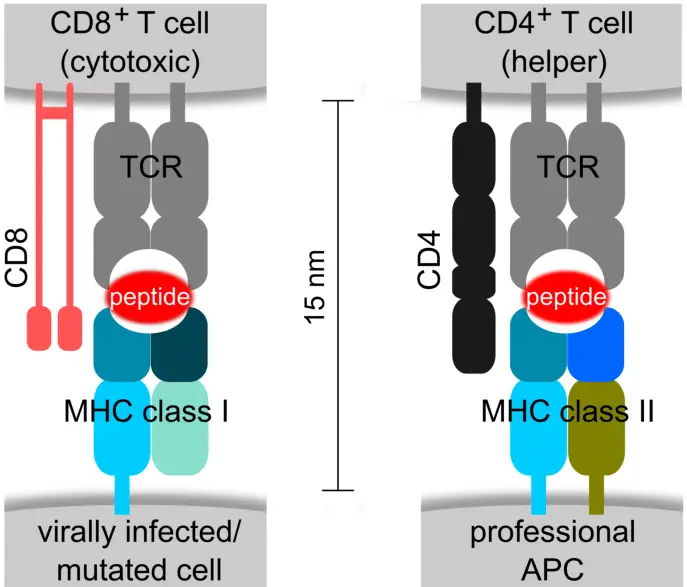
      • MHC Class I: These molecules are found on the surface of nearly all nucleated cells. They comprise a heavy chain (α chain) non-covalently associated with a smaller protein called β2-microglobulin. The heavy chain of MHC Class I has three domains (α1, α2, and α3), with the peptide-binding groove being formed by the α1 and α2 domains.

      The MHC Class I major histocompatibility complex
      With the exception of nerve tissues and platelets, all nucleated cells include MHC Class I.
      Class I MHC molecules are 45 KD in size. A category of important histocompatibility antigens is this.
      Its functionality was limited to T cells alone. Foreign materials are helped to destruction by these T cells.
      The cell-mediated immune response is the only one it can activate. It remains dormant until such a reaction occurs.
      It has the ability to attach to T cells via their CD-8 adhesion molecule.
      Class I of the Major Histocompatibility Complex has three different kinds of HLA genes.
      Endogenous antigens bind to MHC Class I.

      Building Blocks of the MHC Class I Subunit
      There is nothing complicated about the MHC Class I structure. It reminds us of a chain. On its whole, the building resembles a chain. In structure, it resembles RNA. There is a link in the chain that extends into the cell membrane. The MHC Class I structure is formed at the opposite end. Three primary folds can be seen on the structure. They are all constructed from a single chain bent.

      In this case, we have two chains. As an example, there is the Alpha chain and the Beta chain. Their structure is a polypeptide chain. For alpha, there are three distinct domains. Alpha, Alpha2, and Alpha3 are their numbers. In the Beta, there is only one domain. No longer is the beta attached to the cell membrane in any way. Each Alpha domain is a link in the chain that binds to a membrane.

      The Beta is non-covalently bound to the Alpha chain. Beta domains also include transmembrane glycoproteins. They serve as the human leukemia antigen gene. In the Alpha2 and Beta domains, you may find two di-sulfate compounds. There, they cement the connection.

      • MHC Class II: These molecules are primarily expressed on antigen-presenting cells such as dendritic cells, macrophages, and B cells. MHC Class II molecules consist of two similar-sized chains, an α chain and a β chain, each contributing to the formation of the peptide-binding groove with its α1 and β1 domains, respectively.

      Class II Major Histocompatibility Complex
      The cells that carry antigens include these substances. The cells whose main function is to eliminate pathogens fall under this category.
      It firmly attaches to the foreign cells. This refers to cells that originate entirely from outside the body.
      Th cells are the only ones it attaches to. Only MHC Class II responses can be recognized by this type of T cell.
      All members of MHC class II share a single gene type. Those are the basic HLA types.
      The kind of chain determines the size of MHC Class II cells. The size may be adjusted according to the kind of chain.
      Only when an outside element gets inside a cell can it leave the cell.

      The Class II Major Histocompatibility Complex and Its Structure
      In general, two kinds of chains are present. A beta and an alpha chain exist. However, the framework differs from that of Class I. Two chains attach themselves here within the cell membrane. The cell membrane contacts both chains on one side. The other side constructs the building. Two distinct modifications have taken place. Such chains form many domains.

      Due to the Alpha chain, two domains will be generated. Alpha1 and Alpha2 are their names. Two distinct domains will be produced by the beta chain as well. There is Beta1 and Beta2. The non-covalent bonding will bind all the chains together. The domain contains di-sulfate bonds. The di-sulfate bond is present in all domains, with the exception of the Alpha2 domain. Because of this connection, the domain can maintain its shape. The combination of Alpha1 and Beta1 will create the peptide binding site. Attached to this spot is the foreign material. Consequently, the T Helper cells will get the signal to eliminate the contaminants.

      The function of MHC Molecules:

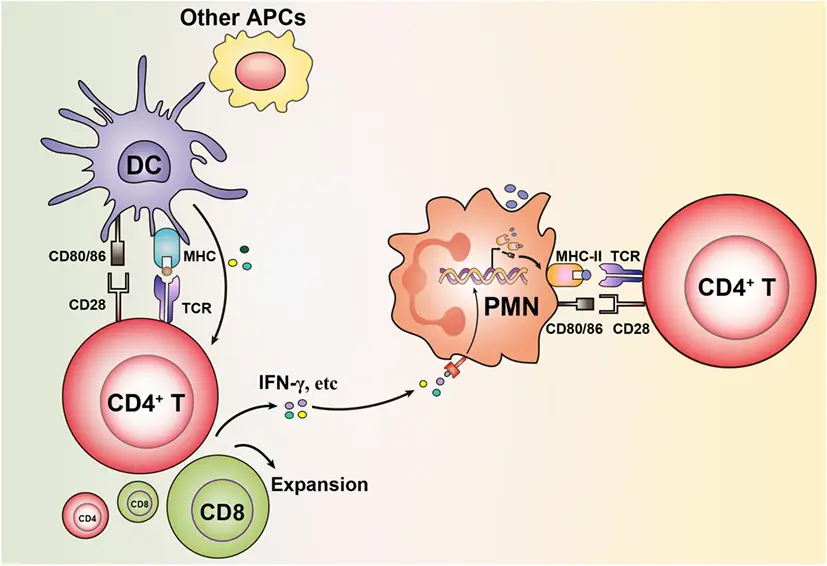
      • Antigen Presentation: The primary function of MHC molecules is to present peptide fragments derived from pathogens to T cells. MHC Class I presents peptides to CD8+ cytotoxic T cells, and MHC Class II presents peptides to CD4+ helper T cells. This presentation is crucial for T cell receptor (TCR) recognition and the activation of T cells.
      • Self vs. Non-self Discrimination: MHC molecules help the immune system distinguish between self and non-self. MHC molecules present the body’s own proteins without triggering an immune response, establishing tolerance to self-antigens. Non-self antigens, such as those from pathogens, are recognized as foreign, leading to an immune response.

      Ligands for MHC Molecules:

      • MHC Class I Ligands: These are typically 8-10 amino acids in length and consist of endogenous peptides generated within the cell’s cytoplasm. These peptides are produced from the degradation of cellular proteins by the proteasome, then transported into the endoplasmic reticulum by the transporter associated with antigen processing (TAP) and loaded onto MHC Class I molecules.
      • MHC Class II Ligands: These are generally 13-18 amino acids long and contain exogenous peptides originating outside the cell. Antigens are taken up by antigen-presenting cells through endocytosis or phagocytosis, processed in endosomes and lysosomes, then loaded onto MHC Class II molecules within specialized compartments known as MIIC (MHC Class II compartments).

      Once peptide-MHC complexes are displayed on the cell surface, they can be recognized by the TCR on T cells, leading to immune activation. The diversity of MHC gene variants in the population is extensive, which contributes to the ability of the human immune system to respond to a vast array of pathogens. However, this diversity also underlies individual differences in disease susceptibility and response to transplantation and immunotherapy.

      Antigen Presentation (AP)

      The MHC mostly contains one kind of antigen. Human Leukocyte Antigens, or HLAs, are what they are. This is the MHC’s primary motivation. A wide variety of HLA are in existence. Three different kinds of HLAs make up MHC Class I. They are known as HLA-A, HLA-B, and HLA-C. There are three different kinds of HLAs in MHC Class II. Their names are HLA-DR, HLA-DQ, and HLA-DP.

      To better detect invaders, the HLA plays a role. Within the body, you’ll find cells of every kind. Because nucleated cells are the only ones that display MHC Class I. Thus, a recognition process is required to identify the correct substance. The HLA does something similar. The sort of foreign material was the first thing it could identify. If the elopement originates in the body, the signal is sent to MHC Class I by the appropriate HLA. When an element is not naturally occurring, the HLA signals MHC Class II. They proceed to carry out their routine tasks there.

      Big Histocompatibility Complex: Why It Matters

      An essential component of the human body is the MHC. Knowing what might harm our immune system is helpful. Disposing of an invader is an important responsibility whenever one enters the body. However, this is not limited to WBCs. Some compounds are associated with vital functions in our bodies. Those things should remain unchanged. Foreign objects and essential substances must be distinguished. The MHC performs that function.

      The format of the MHCs’ reaction might change depending on the scenario. Do not mistake them for antibodies. They aren’t interacting with the outside forces directly. They may identify the element. It follows that the T lymphocyte cells get a singular, important message. The destruction of the elements will be carried out by these cells. The MHCs’ only function is to ensure that the T cells get accurate messages. After that, these cells will affect those cells. At times, the survival of other cells depends on the cell’s demise. Sometimes, it may be sufficient to eliminate only the alien component.

      It would be challenging for the body to identify foreign materials if MHCs are absent. Consequently, such components won’t be able to be destroyed. That has the potential to do serious harm to the body. Additionally, our bodies benefit from certain elements. Removing such compounds from our bodies will cause greater responses. The MHCs are, therefore, the primary conveyors of messages to the alien element destroyers.

      Major Histocompatibility Complex and Its Roles

      To aid the immune system is the primary role of the MHC. It is not possible for T Lymphocytes to identify possible dangers to the body. Primarily, MHCs identify danger to the body and send a signal to eliminate it.
      T lymphocytes are directed to eliminate foreign substances inside the body via the MHC. It attaches to the element in accordance with the foreign element’s categorization. Subsequently, it instructs the T lymphocyte cell to eliminate it. And finally, it’s ruined.
      Binding to peptide epitopes is a common occurrence for MHC molecules. Ligands for TCRs are produced as a result of this. The redistribution of tissues will be aided once again by this ligand. It is also possible to do this using T cells. Following cell breakdown, ligands aid in reassembling the cell to its original shape.

      Common Questions About Major Histocompatibility Complex

      1. To begin, when and who were the MHCs invented?

      Response:

      The MHCs were developed in 1930 by scientist Peter Gorer. He tested his hypothesis using mice. Consequently, he obtained a pair of MHCs. Subsequent research confirmed that MHCs are intrinsic to all vertebrates.

      2. My second question is: what exactly is HLA?

      Response:

      Human Leukocyte Antigen is the complete name of this gene. In MHCs, they serve as a specialized gene. Because the MHCs contain the HLA. The MHCs are sometimes called HLAs as well. Thus, the same item may be defined by both the HLA and the MHC.

      3. The third question is, how big are MHC Class II peptides on the alpha and beta chains?

      Response:

      The alpha chain peptides are 33 kD in size. Finally, the beta chain peptides measure 28 kD. Considering the dissimilarity between these two chains. Additionally, the chains’ peptide sizes vary.

      4. Fourth Question: Which MHC class II protein is the peptide binding cleft located?

      Response:

      Classes I and II of the MHC include peptide-binding clefts. In MHC Class II, the Alpha1 and Beta1 domains form this peptide binding cleft. The T cells are signaled by foreign particles bound to this cleft.

      5. Question five: Are MHCs present in neurons?

      Response:

      No. To put it simply, neurons lack MHCs. The MHCs can only be present in cells that contain a nucleus. Among MHC classes, only Class II is nuclear-independent. However, only some cells have access to them. Consequently, the neurons do not have any MHCs.

      References

      Deeg, Janosch. (2014). Modulation of T cell Activation with Nano- and Micronanopatterned Antigen Arrays.

      Lin, A. and K. Loré (2017). “Granulocytes: New Members of the Antigen-Presenting Cell Family.” Frontiers in Immunology 8.

      Enroll in Harvard Free Courses Today

      Courses Website: pll.harvard.edu/catalog/free

      Harvard University offers free online courses through edX and its online learning portal. Here’s how you can enroll in these free courses:

      1. Explore Course Offerings

      – Visit the edX website (edx.org) and search for courses by Harvard University.

      – Alternatively, you can visit Harvard’s online learning portal at `online-learning.harvard.edu.`

      Free Courses: pll.harvard.edu/catalog/free

      2. Select a Course

      – Choose a course that interests you. Click on it for more details, such as course content, start date, duration, and effort required.

      3. Create an Account

      – If you don’t already have an account, you must create one on the platform hosting the course. This typically involves entering your email address, creating a username, and setting a password.

      4. Enroll in the Course

      – Once you’ve found a course you’d like to take and have created an account, click the “Enroll” button. For most courses, there is an option to enroll for free.

      5. Audit the Course or Pursue a Verified Certificate

      – If you want to access the course materials and learn, you can choose the audit option, which is free. This usually gives you access to all the course materials, but you may not be able to submit assignments or receive a certificate of completion.

      – If you want to earn a verified certificate to showcase your learning, you can pay a fee. This option often includes additional benefits like graded assignments and unlimited course access.

      6. Start Learning

      – After enrolling, you can start watching videos, reading materials, and completing the assignments according to the course schedule.

      7. Stay on Track

      – Follow the course schedule and complete any assignments if you aim for a certificate.

      Always check the course information for specifics, as each course may have different requirements or instructions for enrollment. Remember that while some Harvard courses are free to audit, others might charge a fee for a verified certificate or graded assignments and feedback.

      Privacy Overview

      This website uses cookies so that we can provide you with the best user experience possible. Cookie information is stored in your browser and performs functions such as recognising you when you return to our website and helping our team to understand which sections of the website you find most interesting and useful.