

Home Blog Page 13

Postdoctoral position to study Polo kinase and centrosome abnormalities in cancer and other diseases job with National Cancer Institute, National Institutes of Health – (Jobs)

0


A postdoctoral fellowship is available to study the function of mammalian polo-like kinase 4 and 1 (Plk4 and Plk1), which play central roles in regulating various biological events, including centriole duplication, bipolar spindle formation, chromosome segregation, cell division, and proliferation. Dysregulation of Plk4/Plk1-dependent processes, by mutations in their associated cellular components or HIV accessory proteins, is tightly linked to the development of aneuploidy and cancer. During the past several years, we have been taking cell biological, biochemical, biophysical, and structural approaches (e.g., super-resolution imaging, single molecule tracking, in vitro reconstitution, X-ray crystallography, and cryo-EM) to delineate the molecular bases and structural rules governing the centrosomal architecture and function, the deregulation of which can lead to the development of various human diseases, including cancers, microcephaly, and AIDS.  For additional information, please visit https://ccr.cancer.gov/staff-directory/kyung-s-lee.

To apply, please send a CV and three names of references to Dr. Kyung Lee (kyunglee@mail.nih.gov).

Selected papers:

1.   1. Ahn, J. I., ….., and K. S. Lee. 2026. Dual architectural Cep57: A lynchpin for organizing pericentriolar materials and preventing mosaic variegated aneuploidy in humans. Under review. 

2.   Park, J.-E, ….., and K. S. Lee. 2024. Centrosome amplification and aneuploidy driven by the HIV-1-induced Vpr-VprBP-Plk4 complex in CD4+ T cells. Nat. Commun. 15:2017. PMID: 38443376.

3.   Park, J.-E., K. ….., and K. S. Lee. 2023. Specific inhibition of an anticancer target, polo-like kinase 1, by allosterically dismantling its mechanism of substrate recognition. Proc. Natl. Acad. Sci. USA 120:e2305037120 (Direct submission)

4.   Ahn, J. I., ….., and K. S. Lee. 2023. Architectural basis for cylindrical self-assembly governing Plk4-mediated centriole duplication in humans. Commun. Biol. 6:712 PMID:37433832.

5.   Lee, K. S. and M. Steinmetz. 2021. Centrosomes in the spotlight: from organization to function and their role in disease. Curr Opin Struct Biol. 66: iii–v. (Invited review). PMID: 33485756.

6.   Lee, K. S., et al. 2020. Constructing PCM with architecturally distinct higher-order assemblies. Curr Opin Struct Biol. 66:66-73. (Invited review). PMID: 33176265.

7.   Alverez, C. N., ….., and K. S. Lee. 2020. Identification of a new heterocyclic scaffold for inhibitors of the polo-box domain of polo-like kinase 1. J Med Chem. 63:14087-14117. PMID: 33175530.

8.   Lee, K. S., et al. 2020. A self-assembled cylindrical platform for Plk4-induced centriole biogenesis. Open Biol. 10:200102 (Invited review). Featured article (Cover art). PMID: 32810424.

9.   Park, J. -E., ….., and K. S. Lee. 2019. Phase separation of Plk4 by its autoactivation and noncatalytic clustering drives centriole biogenesis. Nat. Commun. 10: 4959. PMID: 31672968. Featured in “Protein Liquid-Liquid Phase Separation in Diseases” in Nat Commun (2022).

10.        Kim, T.-S., ….., and K. S. Lee. 2019. Molecular architecture of a cylindrical self-assembly at human centrosomes. Nat. Commun. 10:1151. PMID: 30858376. Featured article (Editors’ Highlights).


Read more about this position…

Credits: Source

Disclaimer

Glossary of Medical Terminology – Medical Dictionary

📚 Medical Glossary

Comprehensive alphabetical reference of medical terms and definitions, ©Abdullahfarhan.com

Term Definition

Comprehensive Laboratory Chemical Reagent Database – Lab Recipes

Chemical Reagent Recipes Database – 340+ Comprehensive Recipes A-Z VERIFIED

🧪 Comprehensive Laboratory Chemical Reagent Database

340+ Professional Recipes

©abdullahfarhan.com

Total: 340+ Recipes A-Z

✅ COMPREHENSIVE DATABASE | 340+ Chemical Recipes | Professional Laboratory Protocols | Authenticated Sources | ©abdullahfarhan.com

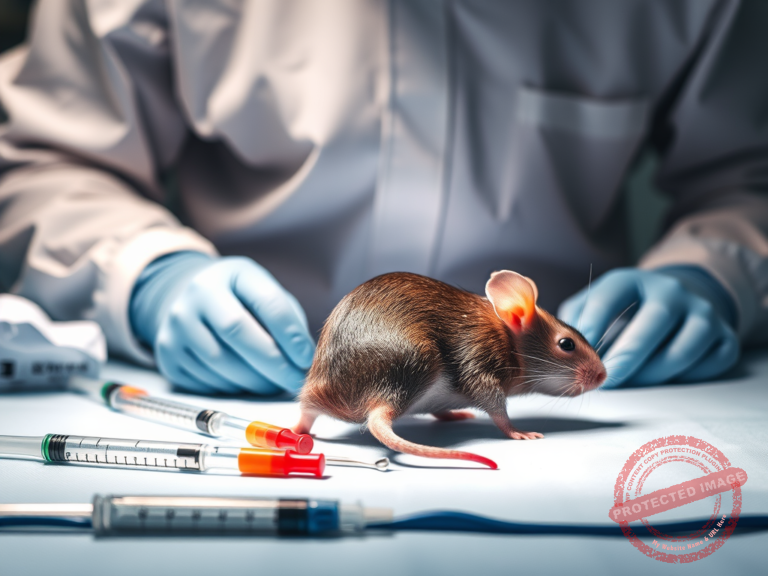
Intra-cardiac Blood Collection in Mice: A Comprehensive Guide

Intra-cardiac Blood Collection in Mice: A Comprehensive Guide

Purpose and Summary of the Procedure

Specifically, it addresses the topic of mice intra-cardiac blood collection methods.
Things to think about

Preparation for the procedure

  1. This intra-cardiac blood collection surgery has no chance of survival and is considered a terminal and fatal procedure for mice.
  2. The animal must be administered deep general anesthesia to undergo this surgery.
  3. To get the proper amounts and lengths of needles, check out the institutional Guidelines for Injections in Rodents and Rabbits.
  4. Potentially usable sample volume – 0.5 to 1.0 ml, or 3-5% of total body mass
    Protective Gear of Personal Protective Equipment (PPE) and Hygiene Practices
  5. Ensure the technician wears the proper personal protective equipment (PPE) to prevent infection from blood and other bodily fluids. This includes gloves, goggles, a mask, and any other PPE necessary for the procedure or the institution.
  6. When handling different animals, washing hands and/or changing gloves is essential.
  7. Immediately place used sharps in the supplied container, which is leak-proof and puncture-resistant.
    Chemicals and Supplies
  8. Singular or combined administration of a general anesthetics, including but not limited to:
    a. breathed isoflurane—typically about 3%
    b. Inhaled gas mixture of 70% carbon dioxide and 30% oxygen—also breathed to provide the desired effect
    c. A ketamine and xylazine combination of 90-120 mg/kg and 8-12 mg/kg, respectively
  9. Injection into a muscle, under the skin (subcutaneous, s.c), or within the abdomen (intraperitoneal)
  10. Syringes containing either 1 or 3 cc of tuberculin
  11. Needles from 23 to 27 gauge, measuring ⅝-1 inch

Also, see how to prepare single-cell suspension from mice spleen

Frequency of the intra-cardiac blood collection procedure

What is the frequency?

  1. The intra-cardiac method is a last resort for the collection of blood and is terminal for mice.
  2. Requires anesthesia

Collecting Blood from Mice, Intra-cardiac

Procedure

The necessity of general anesthesia

  1. Before collecting samples, thoroughly anesthetize the animal with the anesthetic of your choice.
  2. After the animal has achieved the correct level of anesthesia, position it in dorsal recumbency (Figure 1).
  3. With the syringe parallel to the mouse’s midline, thread a needle of the correct size into it and enter it through the diaphragm with the bevel facing up at 30–40 degrees (Figure 2).
  4. Insert the needle towards the animal’s head, just to the left of the sternum and beneath it. The needle can be inserted at an angle of around 45 degrees toward the left shoulder.
  5. After creating a slight vacuum within the syringe, retract the plunger and carefully advance the needle until a blood flash occurs in the needle hub.
  6. After gathering enough blood, immobilize the needle and aspirate (Figure 3).
  7. Need to euthanize the animal as soon as possible once blood sampling is complete through either a bilateral thoracotomy or a cervical dislocation.
Mouse intra-cardiac blood collection

Various types of intra-cardiac blood collection

a. The left-lateral strategy

  1. Start by putting the animal in a right-side recumbent position.
  2. Feel for the heart on the left side of the chest, between the fifth and sixth ribs, where the elbows are bent.
  3. Carefully insert the needle beside the body at a right angle.
    b. Use an open approach
    Figure 1: Appropriate Placement Figure 2. Needle Insertion Angles of 30–40° Blood Aspiration (Figure 3)

The Intra-cardiac Blood Collection in Mice

  1. First, get the animal to lie down on its back.
  2. Moisten skin with 70% ethanol.
  3. Approximately 1 cm below the final rib, make a V-shaped incision into the skin and abdominal wall.
  4. Set away abdominal organs.
  5. To restart blood circulation, insert or remove the needle through the diaphragm into the vena cava or heart. Spin the needle.

Possible side effects of intra-cardiac procedure, how to reduce them, or treat them

a. Pain from being restrained or from bleeding excessively

  1. Execute a supplemental euthanasia procedure
  2. Return to the gas anesthesia and ensure continuous administration by wearing the face mask.

See more protocols

https://abdullahfarhan.com/protocol-for-mouse-spleen-isolation-and-preparation-of-single-cell-suspension

Leukocyte Recruitment

Leukocyte Recruitment

Leukocyte recruitment is a critical process in the immune system’s response to infection and injury. It involves the movement of white blood cells (leukocytes) from the bloodstream to sites of inflammation, infection, or tissue damage. This complex and tightly regulated process is essential for the effective functioning of the immune response, allowing leukocytes to access affected tissues and perform their roles in pathogen elimination, inflammation, and tissue repair.

Phases of Leukocyte Recruitment

Leukocyte recruitment occurs in several sequential steps, often referred to as the leukocyte extravasation cascade:

  1. Tethering and Rolling:
    • Selectins: The recruitment process starts with the reversible binding of leukocytes to endothelial cells lining the blood vessels, mediated by selectins (E-selectin and P-selectin on endothelial cells; L-selectin on leukocytes). These carbohydrate-binding proteins facilitate the “rolling” of leukocytes along the vessel wall by engaging glycoprotein ligands on leukocytes.
    • This rolling motion slows down leukocytes and allows them to assess environmental cues from the endothelium and surrounding tissue.
  2. Activation:
    • Chemokines: As leukocytes roll along the vascular endothelium, they encounter chemokines presented on the endothelial surface. These chemokines bind to specific receptors on the leukocytes, triggering intracellular signaling pathways that activate the leukocytes.
    • This activation leads to conformational changes in integrins on the leukocyte surface, increasing their affinity for their ligands.
  3. Adhesion:
    • Integrins: Once activated, leukocytes firmly adhere to the endothelium via integrins, which bind to intercellular adhesion molecules (ICAMs) and vascular cell adhesion molecules (VCAMs) expressed on endothelial cells.
    • This firm adhesion is crucial for stopping leukocytes in the bloodstream and preparing them for transmigration.
  4. Transmigration (Diapedesis):
    • Leukocytes then migrate through the endothelial cell layer and the underlying basement membrane.
    • This process involves both paracellular diapedesis (between endothelial cells) and, less commonly, transcellular diapedesis (through endothelial cells).
    • Junctional molecules like PECAM-1 (Platelet Endothelial Cell Adhesion Molecule-1) and JAMs (Junctional Adhesion Molecules) are involved in facilitating this passage.
  5. Migration into Tissue:
    • After crossing the endothelial barrier, leukocytes migrate through the interstitial tissue to the site of inflammation or injury, guided by a gradient of chemokines and other chemoattractants.
    • They encounter various extracellular matrix components that further direct their movement.

Types of Leukocytes and Their Recruitment

Different leukocytes are recruited based on the specific needs of the immune response:

  • Neutrophils: Typically the first responders during acute inflammation, drawn to tissues by chemokines such as IL-8 (CXCL8) and leukotriene B4. They are crucial in bacterial infections and wound healing.
  • Monocytes/Macrophages: Recruited later, they differentiate into macrophages once in the tissue and play roles in phagocytosis, cytokine production, and tissue remodeling. They are guided by chemokines like MCP-1 (CCL2).
  • Lymphocytes: Including T-cells and B-cells, which are involved in the adaptive immune response. Their recruitment is often secondary to that of neutrophils and monocytes and is shaped by different chemokines and adhesion molecules.
  • Eosinophils and Basophils: Involved in responses to parasitic infections and allergic reactions, with recruitment mediated by chemotactic factors like eotaxins.

Implications in Disease

Aberrations in leukocyte recruitment can lead to or exacerbate pathological conditions:

  • Chronic Inflammation: Persistent leukocyte recruitment without resolution can cause tissue damage and is a hallmark of diseases like rheumatoid arthritis and inflammatory bowel disease.
  • Atherosclerosis: Monocyte recruitment to arterial walls promotes plaque formation and progression of cardiovascular disease.
  • Asthma and Allergies: Exaggerated eosinophil and basophil recruitment and activation contribute to airway inflammation and hypersensitive responses.
  • Cancer: Tumor-associated leukocytes can be recruited by chemokines and may aid in creating a microenvironment conducive to tumor growth and metastasis.

Therapeutic Targeting

Understanding the mechanisms of leukocyte recruitment provides targets for therapeutic intervention:

  • Chemokine Receptor Antagonists: Drugs that block specific chemokine receptors can reduce inappropriate leukocyte trafficking, potentially treating chronic inflammatory conditions.
  • Adhesion Molecule Inhibitors: Antibodies or small molecules that target adhesion molecules such as α4 integrins (e.g., natalizumab for multiple sclerosis) have shown efficacy in decreasing leukocyte infiltration in specific tissues.
  • Anti-inflammatory Drugs: Targeting the signaling pathways activated during leukocyte recruitment, such as MAPK and NF-κB pathways, can modulate inflammatory responses.

Conclusion

Leukocyte recruitment is a fundamental process in the immune response, orchestrating the timely and precise arrival of immune cells to sites of need. A detailed understanding of this process is crucial in both health and disease, providing a foundation for developing new therapeutic strategies aimed at modulating leukocyte trafficking to treat a variety of immune-related conditions. Continued research into the molecular mechanisms governing leukocyte recruitment will likely yield further insights into its manipulation in disease contexts, enhancing our ability to direct immune responses more effectively.

Adhesion Molecules in Cellular Migration, Inflammation and Disease

Adhesion Molecules in Cellular Migration, Inflammation and Disease

Adhesion molecules are integral membrane proteins that play critical roles in cellular interactions and communication. They are essential in facilitating cellular migration, particularly in the context of inflammation, immune responses, and various pathological conditions. These molecules help maintain the structural integrity of tissues, mediate interactions between cells and the extracellular matrix (ECM), and are pivotal in both physiological and disease processes.

Types of Adhesion Molecules

Adhesion molecules can be categorized into several major families, each with distinct structures and functions:

  1. Integrins:
    • Structure: Composed of α and β heterodimeric chains, integrins are transmembrane receptors that bridge the ECM and the cytoskeleton.
    • Function: They mediate cell adhesion to the ECM and facilitate signal transduction, influencing cell migration, survival, proliferation, and differentiation.
  2. Cadherins:
    • Structure: Calcium-dependent glycoproteins that participate in homophilic cell-to-cell adhesion.
    • Function: Crucial for maintaining tissue architecture and integrity. They play significant roles in embryogenesis and tissue morphogenesis.
  3. Selectins:
    • Structure: Carbohydrate-binding proteins involved in transient cell-cell adhesion.
    • Function: Primarily responsible for the “rolling” of leukocytes on endothelial surfaces during the initial stages of inflammation.
  4. Immunoglobulin Superfamily (IgSF):
    • Structure: Characterized by immunoglobulin-like domains, these molecules mediate a variety of cell-cell interactions.
    • Function: Includes molecules such as ICAMs (Intercellular Adhesion Molecules) and VCAMs (Vascular Cell Adhesion Molecules) that are key in immune responses and inflammation.

Role in Cellular Migration and Inflammation

Adhesion molecules are vital in cellular migration, a process central to development, immune responses, and wound healing:

  1. Leukocyte Extravasation:
    • During inflammation, leukocytes migrate from the bloodstream into tissues through a process involving several steps:
      • Tethering and Rolling: Mediated by selectins on endothelial cells binding to carbohydrates on leukocytes.
      • Activation: Chemokines activate leukocytes, increasing the affinity of integrins.
      • Firm Adhesion: Integrins on leukocytes bind to IgSF members like ICAMs and VCAMs on endothelial cells, allowing firm attachment.
      • Transmigration: Leukocytes pass through endothelial junctions to reach inflamed tissues, with adhesion molecules guiding the process.
  2. Wound Healing and Tissue Repair:
    • Adhesion molecules regulate fibroblast migration and epithelial cell movement, crucial for tissue regeneration and repair.
  3. Immune Surveillance:
    • Continuous patrolling of tissues by immune cells is guided by adhesion molecules ensuring a rapid response to infections or injuries.

Implications in Disease

Dysregulation or altered expression of adhesion molecules can lead to numerous pathological conditions:

  1. Cancer:
    • Metastasis: Changes in adhesion molecule expression allow cancer cells to detach from primary tumors, invade surrounding tissues, and establish secondary sites.
    • E-cadherin Loss: Often correlates with increased invasiveness and poor prognosis in tumors like breast and gastric cancers.
  2. Autoimmune Diseases:
    • Aberrant expression or function of adhesion molecules can result in the inappropriate localization of immune cells, contributing to the pathology of autoimmune diseases like multiple sclerosis and rheumatoid arthritis.
  3. Chronic Inflammatory Diseases:
    • Upregulation of adhesion molecules in chronic inflammation perpetuates the recruitment and retention of immune cells, exacerbating conditions such as inflammatory bowel disease and psoriasis.
  4. Cardiovascular Diseases:
    • Adhesion molecules such as VCAM-1 are implicated in the development of atherosclerosis, as they mediate the adhesion of monocytes to vascular endothelial cells.

Therapeutic Targeting

The modulation of adhesion molecule interactions presents potential therapeutic avenues:

  1. Monoclonal Antibodies and Small Molecules:
    • Antibodies that block integrins (e.g., Natalizumab for multiple sclerosis) or selectins can reduce inappropriate cell adhesion and mitigate disease progression.
  2. Gene Therapy:
    • Strategies aimed at correcting dysfunctional adhesion molecules or their expression patterns are being explored, particularly in genetic disorders involving adhesion anomalies.
  3. Anti-inflammatory Agents:
    • Targeting signaling pathways downstream of adhesion molecule interactions offers a means to suppress chronic inflammatory responses.
  4. Cancer Therapeutics:
    • Inhibitors that prevent cancer cell detachment and invasion by modulating adhesion molecules may help control metastasis.

Conclusion

Adhesion molecules serve as critical mediators in cellular communication and movement, influencing development, immune function, and disease. Understanding the intricacies of adhesion molecule function and regulation opens up opportunities for novel therapeutic strategies in treating a range of conditions from autoimmune diseases to cancer. Continued research is essential in developing targeted therapies that can modulate adhesion molecule activity with precision, thereby enhancing treatment efficacy and reducing adverse outcomes.

Chemokines and Chemoattractants

Chemokines and Chemoattractants

Chemokines and chemoattractants are signaling molecules that play a crucial role in the immune system by directing the movement of cells, particularly immune cells, towards sites of infection, injury, or inflammation. These molecules are essential for ensuring that cells are properly positioned within tissues and that immune responses are conducted efficiently and effectively.

Chemokines: Overview and Classification

Chemokines are a subset of cytokines that specifically induce chemotaxis in nearby responsive cells. They are small proteins, generally around 8-10 kDa in size, and are characterized by their structure, with four conserved cysteine residues that form two disulfide bonds.

Classification of Chemokines

Chemokines are categorized into four main classes based on the arrangement of the first two cysteine residues:

  1. CXC Chemokines:
    • The first two cysteines are separated by one amino acid (denoted by an “X”).
    • They are mainly involved in recruiting neutrophils and lymphocytes.
    • Example: Interleukin-8 (IL-8), which attracts neutrophils.
  2. CC Chemokines:
    • The first two cysteines are adjacent.
    • They primarily attract monocytes, lymphocytes, eosinophils, and basophils.
    • Example: Monocyte Chemoattractant Protein-1 (MCP-1/CCL2).
  3. CX3C Chemokines:
    • A unique class with three amino acids between the first two cysteines.
    • Fractalkine (CX3CL1) is the only known member, functioning either as a chemoattractant or as a cellular adhesion molecule.
  4. XC Chemokines:
    • Contains only two cysteines with no intervening amino acids.
    • Example: Lymphotactin (XCL1).

Function of Chemokines

Chemokines are involved in various physiological and pathological processes:

  1. Leukocyte Trafficking:
    • Central to immune surveillance by guiding leukocytes to lymphoid organs and tissues.
  2. Inflammatory Response:
    • During inflammation, chemokines are upregulated to direct leukocytes to sites of infection or injury.
  3. Wound Healing:
    • They contribute to tissue repair by recruiting cells necessary for rebuilding tissue structure.
  4. Angiogenesis:
    • Some chemokines can promote the formation of new blood vessels, an important process in tissue growth and repair.
  5. Development and Homeostasis:
    • Chemokines are critical in organogenesis and the maintenance of tissue architecture by guiding cell migration during development.

Chemokine Receptors

Chemokine receptors are G-protein coupled receptors (GPCRs) that bind to chemokines. Different receptors have specificities for various chemokines, leading to diverse functional outputs:

  • CXC Receptors (CXCR): They bind CXC chemokines and are expressed on a variety of immune cells.
  • CC Receptors (CCR): They bind CC chemokines and are pivotal in the recruitment of monocytes, T-cells, and other immune cells.
  • CX3CR and XCR: Receptors for CX3C and XC chemokines, involved in unique chemokine interactions.

Chemoattractants: Beyond Chemokines

Chemoattractants include chemokines but also encompass other molecules that induce chemotaxis, such as:

  1. Complement System Components:
    • C5a and C3a are powerful chemoattractants produced during the complement cascade; they recruit leukocytes and enhance inflammatory responses.
  2. Lipid Mediators:
    • Eicosanoids like leukotriene B4 and prostaglandins serve as potent chemoattractants in inflammatory sites.
  3. Formyl Peptides:
    • N-formyl-methionyl-leucyl-phenylalanine (fMLP) is a bacterial product that acts as a powerful neutrophil chemoattractant, linking pathogen presence to immune activation.
  4. Other Cytokines:
    • Certain cytokines (e.g., Interleukin-1, TNF-α) can act indirectly as chemoattractants by upregulating chemokine production.

Pathological Implications

While chemokines and chemoattractants are crucial in normal immune function and tissue maintenance, dysregulation can contribute to various pathologies:

  1. Chronic Inflammation:
    • Persistent chemokine production can lead to chronic inflammatory diseases, such as rheumatoid arthritis and inflammatory bowel disease.
  2. Cancer:
    • Tumors can exploit chemokine networks for promoting tumor growth, metastasis, and creating an immunosuppressive microenvironment.
  3. Infectious Diseases:
    • Pathogens sometimes subvert chemokine pathways to avoid immune detection or facilitate their spread.
  4. Autoimmune Disorders:
    • Aberrant chemokine expression can facilitate inappropriate immune cell infiltration into tissues, contributing to autoimmune responses.

Therapeutic Applications

Targeting chemokines and their receptors has therapeutic potential. Strategies include:

  • Chemokine Blockade: Using antibodies or small molecules to inhibit chemokine action in diseases like cancer and chronic inflammatory conditions.
  • Chemokine Receptor Antagonists: Block binding of chemokines to their receptors, potentially treating inflammatory and autoimmune diseases.

Ongoing research aims to better understand chemokine networks, with hopes of developing novel interventions that modulate immune responses for therapeutic benefit. Understanding these molecules further can lead to breakthroughs in managing diseases characterized by chemotactic dysregulation.

Inflammation

Inflammation

Inflammation is a complex physiological response to tissue injury, infection, or harmful stimuli. It is an essential component of the body’s innate immune response and plays a crucial role in restoring homeostasis and promoting healing. However, chronic or dysregulated inflammation is associated with numerous diseases, including autoimmune disorders, cardiovascular diseases, and cancer. Understanding the mechanisms, types, and impact of inflammation is vital in both clinical and research contexts.

Mechanisms of Inflammation

Inflammation involves a series of well-orchestrated steps:

  1. Recognition of Injury or Infection:
    • The immune system detects harmful stimuli through pattern recognition receptors (PRRs) like Toll-like receptors (TLRs) that identify pathogen-associated molecular patterns (PAMPs) and damage-associated molecular patterns (DAMPs).
  2. Recruitment of Leukocytes and Mediators:
    • Upon activation, cells such as macrophages release pro-inflammatory cytokines (e.g., TNF-α, IL-1β, IL-6) and chemokines to recruit leukocytes (neutrophils, monocytes) to the site of injury.
    • Complement proteins and other mediators increase vascular permeability to facilitate leukocyte migration from the bloodstream to tissues.
  3. Elimination of the Infectious or Injurious Agent:
    • Phagocytes engulf and destroy pathogens or debris. Reactive oxygen species (ROS) and enzymes contribute to microbial killing and tissue breakdown.
  4. Resolution and Repair:
    • Anti-inflammatory cytokines, such as IL-10 and TGF-β, are released to dampen the inflammatory response.
    • Monocytes/macrophages clear apoptotic cells and debris, promoting tissue repair.
    • Fibroblasts and endothelial cells participate in tissue reconstruction by generating new extracellular matrix and forming new blood vessels (angiogenesis).

Types of Inflammation

Inflammation can be classified into two main types:

Acute Inflammation

  • Characteristics: Rapid onset, short duration (minutes to days), characterized by redness (rubor), heat (calor), swelling (tumor), pain (dolor), and loss of function (functio laesa).
  • Process: Primarily involves neutrophils and is often aimed at eliminating the initial cause of cell injury, clearing out damaged cells, and establishing repair.
  • Example: Acute bronchitis, skin cuts, or infections like tonsillitis.

Chronic Inflammation

  • Characteristics: Prolonged response that can last weeks to years. It involves persistence of the injurious agent, leading to ongoing tissue damage and repair attempts.
  • Process: Marked by the presence of lymphocytes, macrophages, and plasma cells. It may lead to fibrosis and tissue remodeling, often causing more damage than the initial insult.
  • Example: Conditions like rheumatoid arthritis, inflammatory bowel disease, and chronic obstructive pulmonary disease (COPD).

Pathological Consequences of Chronic Inflammation

  1. Autoimmune Diseases:
    • Prolonged inflammation can result in an immune response against self-tissues, as seen in lupus and multiple sclerosis.
  2. Cardiovascular Diseases:
    • Chronic arterial inflammation is a key factor in atherosclerosis, contributing to plaque formation and cardiovascular events such as heart attacks.
  3. Cancer:
    • Inflammatory cells can produce growth factors and increase local cell proliferation, contributing to the transformation and progression of cancer, as seen in colorectal cancer associated with chronic inflammatory bowel disease.
  4. Metabolic Syndrome and Diabetes:
    • Inflammation plays a significant role in insulin resistance and beta-cell dysfunction, pivotal in type 2 diabetes development.

Diagnostic and Therapeutic Approaches

  • Diagnostics: Elevated inflammatory markers, such as C-reactive protein (CRP) and erythrocyte sedimentation rate (ESR), can signal systemic inflammation. Imaging and biopsy may assist in local inflammation diagnostics.
  • Therapies:
    • NSAIDs and Corticosteroids: Reduce inflammation by decreasing the production of prostaglandins and cytokines.
    • Biologics: Target specific cytokines (e.g., TNF inhibitors) or immune cells, providing precision treatment in inflammatory diseases.
    • Disease-Modifying Antirheumatic Drugs (DMARDs): Used to treat chronic inflammatory diseases by slowing disease progression.

Research and Future Directions

  • Novel anti-inflammatory targets and immunomodulatory therapies are actively being researched. Understanding the role of the microbiome in inflammation and the development of biomarkers for early detection are also promising areas.
  • Interventions to restore balance between pro-inflammatory and anti-inflammatory responses could lead to innovative therapeutic strategies, enhancing outcomes for a range of inflammatory diseases.

By delving into these aspects of inflammation, clinicians and researchers can better manage inflammatory conditions, ultimately improving patient outcomes. Understanding inflammation not only aids in treating specific diseases but also offers insight into the general mechanisms of disease and health.

Tolerance and Autoimmunity

Tolerance and Autoimmunity

Tolerance and autoimmunity are foundational concepts in immunology that describe how the immune system distinguishes between the body’s own cells and foreign invaders like pathogens. Properly functioning immune tolerance prevents the immune system from attacking the body’s own tissues, while autoimmunity occurs when this tolerance breaks down.

Immune Tolerance

Central Tolerance

Central tolerance is the process by which immature T and B cells are filtered during their development in the thymus and bone marrow, respectively. It ensures that immune cells that could potentially react with the body’s own antigens are eliminated or altered:

  • Thymic Selection: During T-cell maturation in the thymus, cells that strongly recognize self-antigens presented by major histocompatibility complex (MHC) molecules undergo apoptosis (negative selection). Meanwhile, T-cells that moderately recognize self-MHC molecules are allowed to mature, a process termed positive selection. This creates a population of T-cells that are tolerant to self-antigens but competent to fight infections.
  • Bone Marrow Selection: B-cells that strongly bind to self-antigens in the bone marrow are either induced to undergo receptor editing (altering their antigen specificity) or are eliminated through apoptosis.

Peripheral Tolerance

Peripheral tolerance mechanisms prevent over-reactive immune responses and the activation of any self-reactive lymphocytes that might have escaped central tolerance:

  • Anergy: This is a state of functional unresponsiveness in T-cells and B-cells that encounter antigen without the necessary second signals provided by co-stimulatory molecules.
  • Regulatory T-cells (Tregs): These cells play a crucial role in maintaining immune tolerance. They suppress potentially autoreactive immune cells, preventing autoimmune responses.
  • Clonal Deletion and Ignorance: Self-reactive cells that find their way to the periphery can still be deleted or ignored (remain inactive) depending on the antigen’s availability or form.
  • Immune Privilege: Certain body sites, such as the eyes and brain, limit immune activity to protect their critical functions from potentially damaging inflammation.

Autoimmunity

Autoimmunity arises when these tolerance mechanisms fail, leading the immune system to mistakenly attack the body’s own tissues. This can result from genetic, environmental, and hormonal factors:

Genetic Factors

Some individuals are genetically predisposed to autoimmunity. Certain human leukocyte antigen (HLA) types, for example, have been associated with higher risks for specific autoimmune diseases.

Environmental Triggers

Environmental factors, such as infections (e.g., bacteria and viruses), can sometimes trigger autoimmune diseases. The “molecular mimicry” hypothesis suggests that pathogens may possess antigens similar to self-antigens, prompting the immune system to attack both.

Hormonal Influences

Hormones can affect autoimmune disease prevalence, which often shows gender bias. Women are generally more susceptible to autoimmune diseases, thought to be due to hormonal differences, particularly estrogens.

Examples of Autoimmune Diseases

  1. Type 1 Diabetes: The immune system attacks insulin-producing β-cells in the pancreas.
  2. Rheumatoid Arthritis: The immune system targets joints, leading to inflammation and tissue damage.
  3. Multiple Sclerosis: The immune system attacks myelin sheaths in the central nervous system, disrupting nerve communication.
  4. Systemic Lupus Erythematosus (SLE): A systemic autoimmune disorder where the immune system attacks numerous tissues and organs.

Diagnostic and Therapeutic Approaches

  • Diagnostic Tools: Autoimmune diseases can be diagnosed through serological tests that detect autoantibodies (e.g., anti-nuclear antibodies in SLE), imaging studies, and symptom assessment.
  • Therapies: Treatments for autoimmune diseases often involve immunosuppressive drugs, like corticosteroids and biologics (e.g., TNF inhibitors), aimed at reducing immune system activity. Novel approaches include antigen-specific immunotherapy and regulatory T-cell enhancement.

Understanding and manipulating tolerance mechanisms remain a significant area of research, with the aim of finding better treatments for autoimmune diseases and approaches to induce tolerance in transplantation and allergies. Advances in genetics, microbiome studies, and immunomodulatory therapies continue to expand our understanding of how tolerance and autoimmunity develop, opening potential avenues for future interventions.